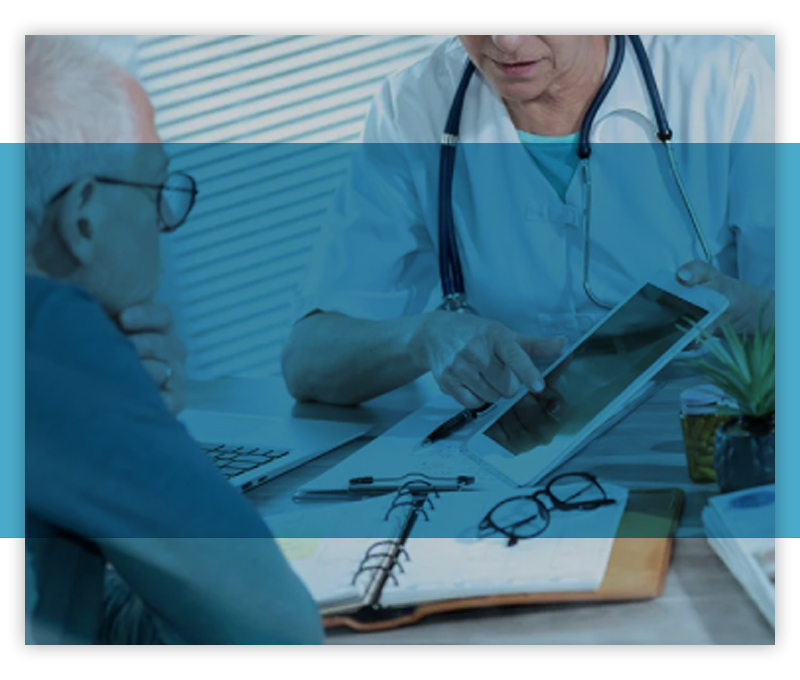
Every endoscopy unit, surgical department, and pathology laboratory operates within a unique constellation of procedure volumes, clinical subspecialties, physical space, and infection control priorities. Biovisus Personalized Consultancy moves beyond standard equipment lists to deliver custom-tailored endoscopic imaging and microscopy strategies crafted around your operational reality. Our senior endoscopy workflow consultants, optical engineers, and infection control specialists partner directly with your clinical leadership—conducting on-site procedure flow observations, analyzing scope utilization and reprocessing capacity, and mapping the patient journey from check-in to discharge. Whether you are designing a greenfield GI endoscopy center, integrating single-use ureteroscopes into an existing urology practice, restructuring bronchoscopy services for airborne infection control, or equipping a digital pathology laboratory, we bring decades of cross-institutional experience to your table. From concept through commissioning and post-implementation review, we remain your strategic advisors, transforming clinical complexity into measurable improvements in image quality, procedural efficiency, and patient safety.
Procedure throughput and patient experience depend on intelligent unit design. Our consultants analyze your current and projected case volumes across all endoscopic specialties—GI, pulmonology, urology, ENT—and develop detailed floor plans that optimize patient flow from reception through pre-procedure preparation, the procedure room, post-procedure recovery, and discharge. We specify the number and configuration of procedure rooms, the scope reprocessing area layout with dirty-to-clean workflow, and the equipment and scope storage requirements. The master plan addresses utility requirements, medical gas supply, IT network infrastructure for image archiving, and future expansion capacity.
Balancing scope availability, reprocessing throughput, and capital investment is a continuous challenge. Our consultants perform a detailed analysis of your scope fleet utilization: procedure volumes by scope type, reprocessing cycle times, repair rates and causes, and procedure delays attributable to scope unavailability. We model the impact of adding scopes to the fleet, introducing single-use alternatives for selected procedures, or extending operating hours. The output is a fleet management strategy that minimizes procedure delays while controlling capital and repair costs, with clear recommendations for the appropriate mix of reusable and single-use scopes
Endoscope-related infections are preventable through rigorous reprocessing protocols and robust quality systems. Our infection control consultants work with your infection prevention team and endoscopy leadership to develop or strengthen your endoscope reprocessing program. We review current reprocessing procedures against AAMI ST91 guidelines, assess AER performance and maintenance records, evaluate scope drying and storage practices, and audit biological monitoring and documentation. Where gaps are identified, we develop corrective action plans with timelines and assigned responsibilities. The result is a reprocessing program that demonstrably reduces infection risk and provides defensible documentation for regulatory surveys.
Inconsistent image quality across procedure rooms frustrates endoscopists and may compromise diagnostic accuracy. Our imaging specialists evaluate your current imaging chain components—light sources, processors, displays—and recommend standardization strategies that ensure every room delivers equivalent image quality. We calibrate all displays to the same luminance and color settings, standardize Image Processor enhancement presets based on procedure type, and establish white balance and light source output verification as daily QC procedures. The outcome is imaging consistency that allows endoscopists to move between rooms with confidence.
The decision to introduce single-use endoscopes requires balancing infection control benefits, procedural efficiency, and cost. Our consultants develop a facility-specific business case that models the total cost per procedure for reusable versus single-use scopes, incorporating capital depreciation, reprocessing labor and consumables, repair costs, and procedure delays due to scope unavailability. We incorporate the infection control value—the avoided costs of scope-related infection investigations and potential litigation—using published healthcare-associated infection cost data. The analysis provides your leadership with the evidence needed to make informed adoption decisions.
Transitioning to digital pathology requires careful planning of workflow, IT infrastructure, and validation. Our consultants work with your pathology leadership to design the digital imaging strategy: slide scanner selection and placement, workstation configuration for diagnostic review, network bandwidth and storage requirements, and integration with the laboratory information system. We develop the validation protocol for digital primary diagnosis, including the concordance study design, case selection criteria, and washout period methodology required by regulatory guidelines.
Subscribe to comprehensive endoscopic and minimally invasive solutions from Biovisus.Elevate diagnostic precision and therapeutic outcomes across GI, pulmonology, urology, and surgical suites with integrated imaging and procedural systems.
© Nortek HealthCare Group Ltd., 2009-2026. All rights reserved.
This site operates under the laws of the People's Republic of China. Your access and use constitute acceptance of these Terms of Use and our Privacy Policy. All content is governed by our Privacy Notice. For details or inquiries, please Contact Us or use the site's search function.